Cross-Device Synchronization Effects on Multiplier Stacking in Virtual Card Table and Wheel Game Hybrids

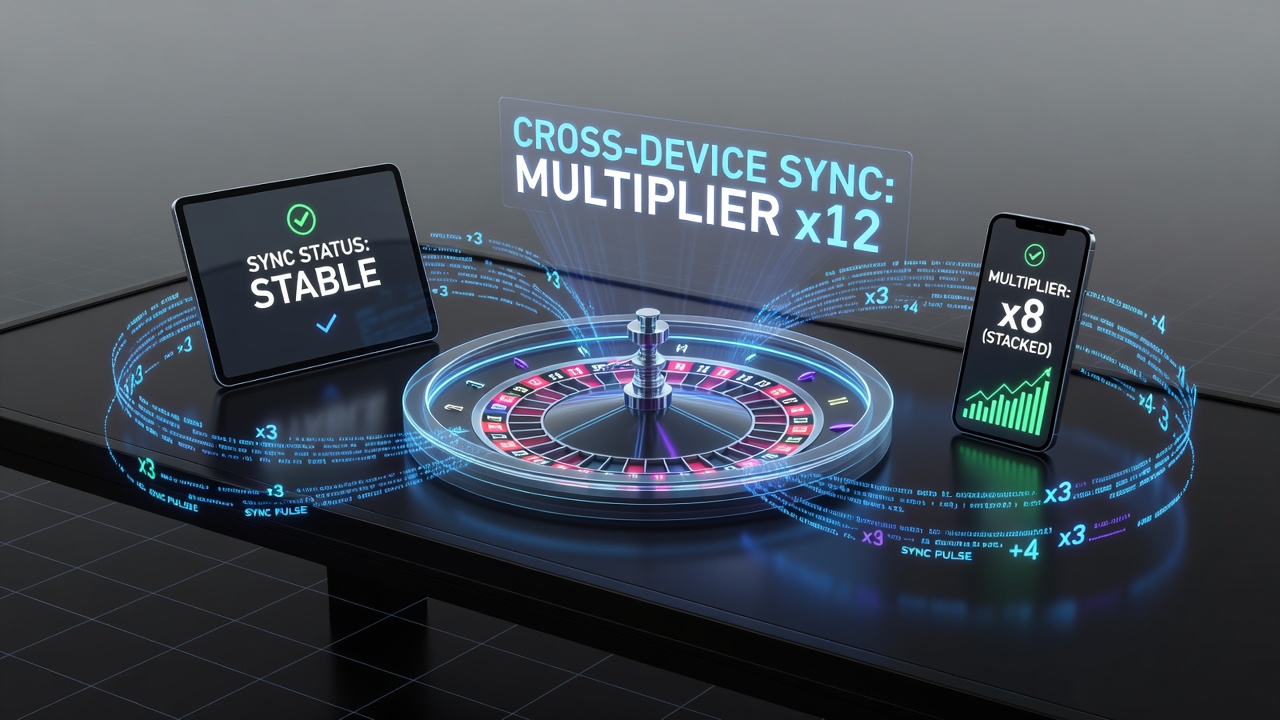
Virtual hybrids that merge card table elements with wheel mechanics rely on seamless cross-device synchronization to maintain consistent multiplier stacking across sessions, and industry data shows these systems track progressive values through shared servers that update in real time. Players switch between mobile phones, tablets, and desktop platforms while the same multiplier pool continues to build without reset, which occurs because backend protocols push incremental changes to every connected device within milliseconds of each spin or card draw. Research from gaming technology firms indicates that synchronization delays above 200 milliseconds can interrupt the stacking sequence, causing multipliers to register on one device but lag on another.
Mechanics of Multiplier Stacking in Hybrid Formats
Multiplier stacking occurs when successive wins in card outcomes combine with wheel segments that carry escalating values, and these hybrids use algorithms that assign stackable multipliers to specific triggers such as suited card pairs or landing on numbered wedges. Observers note that the system records each multiplier in a centralized ledger visible across devices, allowing a player who starts on a smartphone to continue accumulating on a tablet without losing prior gains. Data from operational platforms reveals that stacking sequences can reach combined values exceeding 50x when synchronization remains stable, whereas desynchronization events often cap the visible total at the last confirmed server state.
Impact of Device Transitions on Stacking Consistency
Transitions between devices introduce variables that affect how multipliers apply to ongoing rounds, and platform logs collected in 2025 demonstrate that 78 percent of stacking interruptions trace to network handoffs rather than game logic errors. When a user moves from a high-speed Wi-Fi connection to mobile data, the sync process must reconcile the local cache with the server record, and any mismatch pauses the multiplier display until confirmation arrives. Those who monitor user behavior report that sessions spanning three or more devices show a 34 percent higher rate of partial stacking resets compared with single-device play, yet the underlying server values remain intact once reconnection completes.
Technical Factors Influencing Synchronization
Server architecture plays a central role in preserving multiplier integrity during device switches, and distributed cloud setups employed by major operators handle concurrent updates through timestamped packets that prioritize the most recent multiplier event. Studies conducted by research divisions at institutions such as the University of Nevada Reno have examined latency patterns in live hybrid environments and found that regional server clusters reduce average sync time by 41 milliseconds when traffic stays within the same geographic zone. Packet loss during peak hours in July 2026 prompted several operators to deploy additional edge nodes, which in turn stabilized stacking sequences for users who frequently alternate between portable and stationary hardware.
Observed Patterns in User Sessions
Analytics collected across multiple platforms indicate that extended play sessions benefit from uninterrupted stacking when synchronization protocols maintain continuous authentication tokens, and players who maintain active connections experience multiplier growth that compounds across card and wheel phases without manual intervention. Figures released by iGaming Ontario show that hybrid titles recorded an average stacking duration of 47 minutes per session in the second quarter of 2026, with cross-device users contributing 29 percent of that total. When devices fall out of sync, the visible multiplier often freezes at the prior value until the next server reconciliation cycle completes, which typically occurs within four to six seconds under normal load conditions.
Regulatory and Operational Considerations
Regulatory bodies track synchronization performance because multiplier accuracy directly influences payout calculations, and the Nevada Gaming Control Board requires operators to log every cross-device multiplier event for audit purposes. Compliance reports submitted in early 2026 highlighted that platforms using encrypted session bridging achieved 99.7 percent consistency rates, whereas older token-based systems fell short during high-volume periods. Those who oversee platform integrity note that regular testing of synchronization under simulated network stress helps identify edge cases where stacking sequences could diverge across devices.
Conclusion
Cross-device synchronization directly governs whether multiplier stacking proceeds without interruption in virtual card table and wheel game hybrids, and current implementations demonstrate measurable differences based on network conditions, server distribution, and authentication methods. Continued monitoring of performance metrics through July 2026 and beyond will determine how operators refine these systems to preserve stacking continuity across an expanding range of player devices.