Examining How Color Scheme Variations Shape Selection Preferences Among Users Exploring Virtual Table Experiences on Wireless Platforms
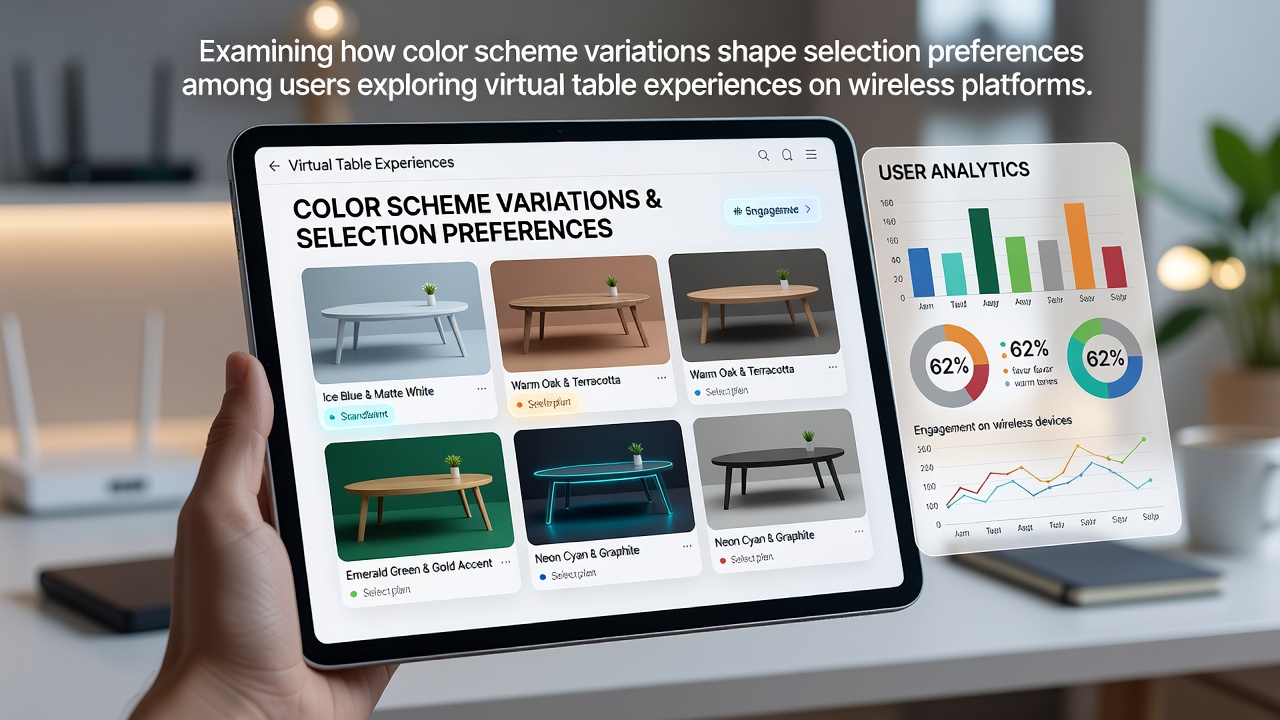
Color scheme variations in virtual table experiences on wireless platforms influence how users navigate and select games, with data from interface testing showing clear patterns in preference formation. Researchers have tracked these effects through heat mapping and clickstream analysis on mobile applications that simulate traditional table formats such as blackjack and roulette, where palette shifts alter dwell times and selection rates. In July 2026 platform reports indicated that adjustments to hue saturation and contrast levels correlated with measurable changes in user flows across tablet and smartphone sessions.
Core Elements of Color Application in Wireless Table Interfaces
Design teams apply primary, secondary, and accent colors to buttons, backgrounds, and card representations in virtual environments, and studies reveal that warm tones like deep reds and oranges tend to direct attention toward high-stakes table options whereas cooler blues and greens steer selections toward lower-volatility choices. Those who've examined mobile user data note that saturation levels above 70 percent often accelerate decision speed on smaller screens while reduced saturation encourages longer browsing periods before commitment. Wireless conditions add variables including ambient light reflection and battery-optimized display modes that modify perceived color intensity during outdoor or low-light use.
Observed Selection Patterns Across User Groups
Analytics from multiple wireless platforms demonstrate that users aged 25 to 34 gravitate toward interfaces featuring high-contrast monochromatic schemes when exploring live dealer table hybrids, whereas older demographics show stronger engagement with multi-hue gradients that differentiate game variants. A study conducted through university-led UX research groups found that shifting from neutral gray backgrounds to emerald-toned layouts increased roulette wheel selections by 18 percent within controlled tablet trials. Observers tracking July 2026 session logs reported similar shifts when platforms introduced seasonal palette updates, with players migrating between table types after exposure to revised accent colors on card backs and chip stacks.
Regional differences appear in preference data as well, with North American users responding more readily to bold primary color blocks and European cohorts showing steadier interaction with muted tertiary shades. These variations tie directly to device-specific rendering where OLED screens preserve color fidelity better than LCD panels during extended wireless sessions.
Technical Factors Affecting Color Perception on Mobile Devices
Screen calibration settings and operating system color management tools further shape how palettes register during virtual table interactions, and evidence from device testing labs shows that automatic brightness adjustments can desaturate intended hues by up to 25 percent in bright environments. Developers address this through adaptive color profiles that maintain contrast ratios above 4.5:1 across lighting conditions, which research indicates helps stabilize selection consistency. Platform operators have documented that users who disable dark mode features encounter different preference distributions when cool-toned table interfaces appear brighter against surrounding UI elements.

Data Sources and Industry Measurements
Figures compiled by the National Center for Responsible Gaming track interface modifications across wireless platforms and link specific palette changes to session duration metrics. Additional measurements from the Victorian Responsible Gambling Foundation reveal that color contrast adjustments in Australian mobile applications correlate with altered navigation paths through table game menus. These datasets combine eye-tracking results with post-session surveys to quantify how background and foreground color relationships guide initial game picks.
Platform Implementation Trends Through Mid-2026
Wireless gaming providers rolled out palette testing frameworks in the first half of 2026 that allowed real-time A/B comparisons of color variants during live user sessions, and results showed consistent preference clustering around specific saturation thresholds for different table categories. One documented case involved a major operator introducing teal-dominant schemes for poker variants, which produced a documented redistribution of player entries away from traditional red-accented blackjack rooms. Such implementations rely on client-side rendering engines that adjust RGB values based on detected device capabilities and network latency factors.
Conclusion
Color scheme variations continue to demonstrate measurable influence on selection preferences within wireless virtual table environments, supported by ongoing data collection from regulatory and research bodies. Platform operators apply findings from controlled studies to refine interface elements, while device manufacturers address rendering consistency across hardware generations. Continued monitoring through 2026 and beyond will clarify how evolving display technologies interact with these established color-driven patterns in user behavior.