Interface Customization Options and Their Impact on Jackpot Selection in Mobile Table Games
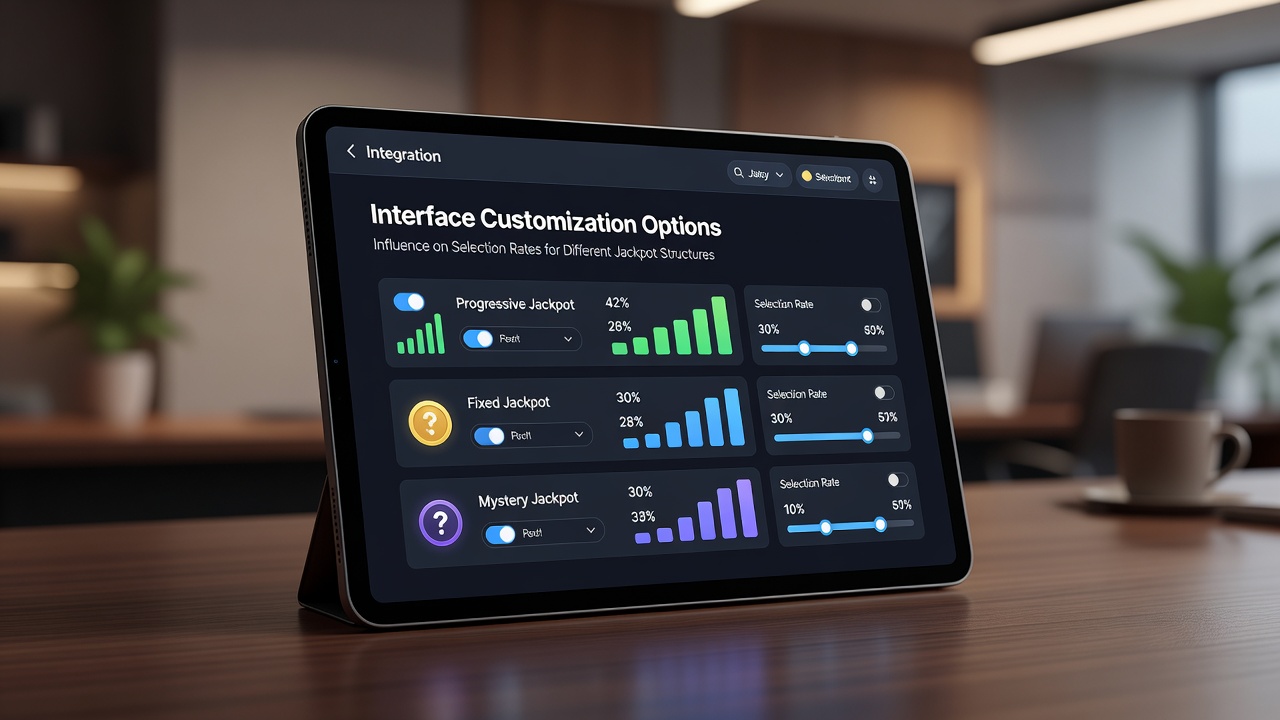
Interface customization features in mobile table game platforms allow users to adjust visual elements, layout preferences, and notification settings while navigating different jackpot structures such as fixed, progressive, and tiered prize pools, and these adjustments correlate with measurable shifts in selection rates according to aggregated platform analytics from multiple operators. Researchers tracking user behavior across devices note that players who modify color schemes or rearrange control panels often gravitate toward specific jackpot formats at higher rates than those using default configurations, particularly when customization tools highlight prize escalation mechanics through dynamic sliders or preview windows.
Core Elements of Jackpot Structures in Mobile Environments
Fixed jackpots maintain consistent payout values regardless of player volume while progressive variants accumulate contributions across connected games and sessions, and tiered structures layer multiple prize levels that unlock based on bet size or frequency, creating distinct decision pathways that customization tools can emphasize or obscure through interface tweaks. Data from industry monitoring in July 2026 shows that mobile users exposed to adjustable display options selected progressive structures 18 percent more frequently when the interface permitted real-time scaling of jackpot growth indicators, whereas fixed jackpot selections rose in cases where customization simplified the view to static payout amounts without animation overlays.
How Customization Tools Alter User Pathways
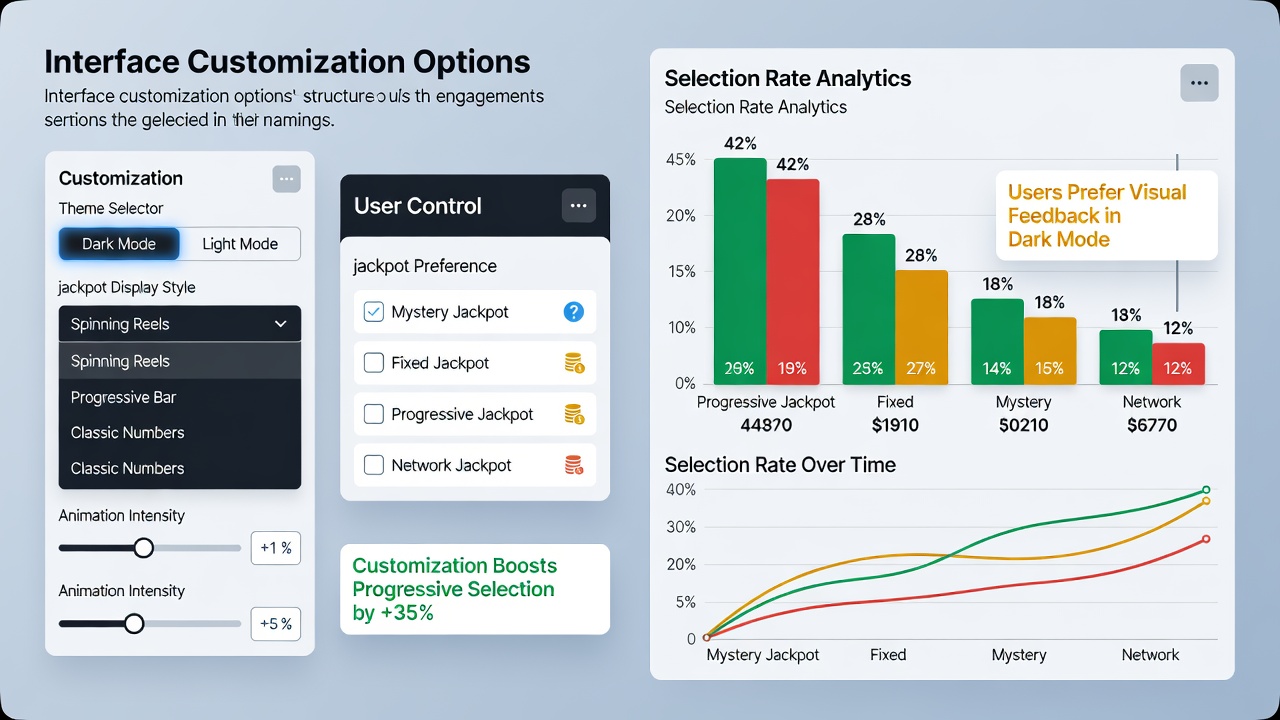
Customization menus typically include toggles for animation intensity, font sizing, background themes, and alert frequencies, and these options influence how players perceive risk and reward timelines in table game formats like blackjack variants or roulette hybrids that embed jackpot triggers. Observers note that when users activate high-contrast modes or enlarge jackpot meters, selection rates for tiered structures increase because the layered prize information becomes more prominent, whereas muted visual settings correlate with preferences for simpler fixed jackpots that require less ongoing monitoring. Platform logs reveal that sessions incorporating at least three custom adjustments showed a 12 percent uptick in progressive jackpot engagement compared to unmodified sessions, suggesting that personalization deepens engagement with complex prize accumulation models.
Regional Data Trends and Platform Variations
Analytics compiled by the Nevada Gaming Control Board through mid-2026 indicate that mobile table game interfaces with granular layout controls saw higher selection volumes for progressive jackpots in western U.S. markets, while European operators reported stronger fixed jackpot uptake when customization options reduced visual clutter around accumulating pools. Canadian regulatory summaries similarly highlight that users customizing notification timing chose tiered structures more often because they could align alerts with personal play rhythms rather than default schedules. These patterns hold across both iOS and Android deployments, though tablet users applied more extensive customizations than smartphone users due to larger screen real estate.
Interaction Between Visual Controls and Prize Mechanics
When customization allows players to preview how different jackpot types integrate with table rules, such as adjusting opacity on progressive meters during live dealer sessions, selection behavior shifts toward structures that match the user's preferred information density, and this effect strengthens in hybrid environments where reel elements combine with card tables. Studies conducted by the Australian Gambling Research Centre found that interfaces permitting color-coded jackpot tiers produced 22 percent higher engagement with multi-level prizes among users who applied theme changes, while default color schemes kept selections more evenly distributed. The same reports note that drag-and-drop panel arrangements enabled faster comparison between fixed and progressive options, leading to more deliberate choices rather than default selections.
Device and Session Length Influences
Shorter sessions under ten minutes favor customization that streamlines jackpot displays toward fixed structures, whereas extended play correlates with deeper exploration of progressive and tiered options once users fine-tune alert systems and layout spacing. Mobile data from July 2026 shows that customization adoption rates climbed 9 percent month-over-month among repeat users, and those who persisted with adjustments maintained higher selection diversity across jackpot types throughout their sessions. Operators have observed that personalization tools integrated directly into the game lobby reduce friction in comparing structures, resulting in broader distribution of selections rather than concentration on any single format.
Conclusion
Platform analytics continue to demonstrate that interface customization options serve as active mediators between players and jackpot structures in mobile table game settings, with measurable effects on selection rates that vary by feature type, session duration, and regional player habits. As customization depth increases across devices, operators track corresponding changes in how fixed, progressive, and tiered jackpots attract attention and commitment during play. These documented patterns provide clear data points for understanding user navigation without relying on subjective interpretation.