Shifts in Lighting Effects and Color Palettes Within Online Roulette Interfaces and Their Connections to Extended Play Sessions on Tablet Devices
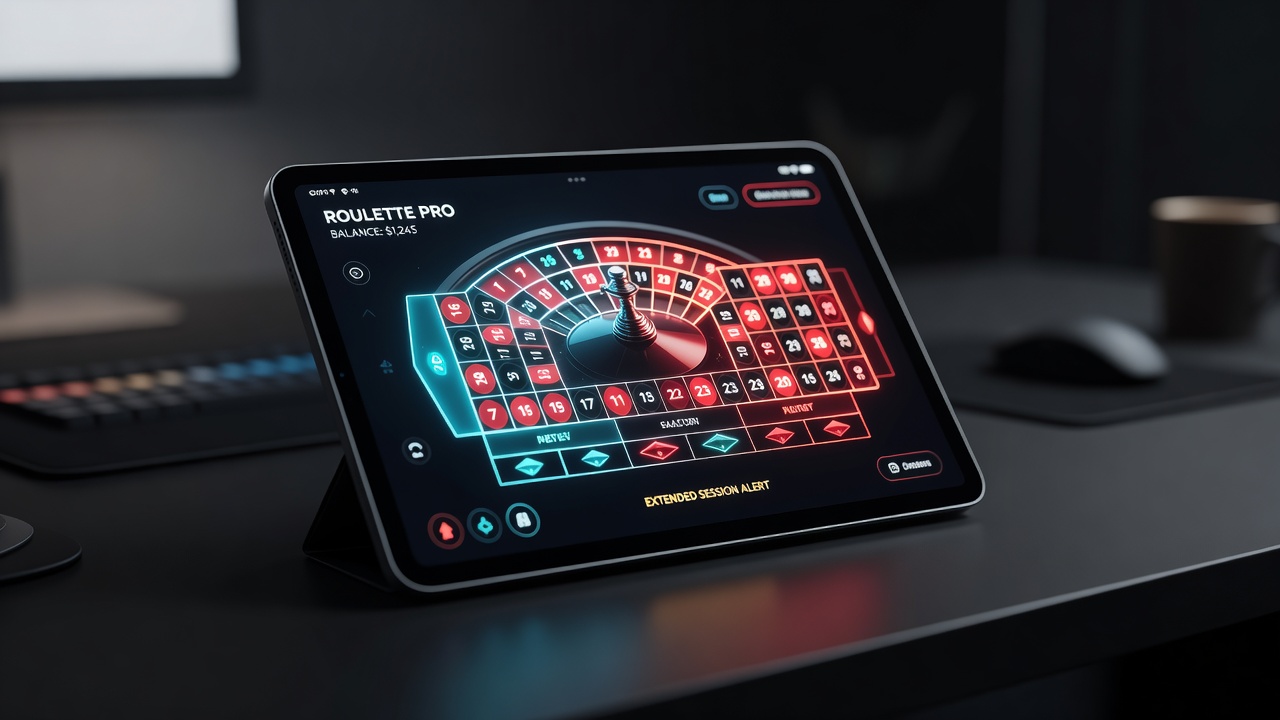
Developers have adjusted lighting effects and color palettes in online roulette interfaces to suit tablet screens, and these modifications coincide with recorded increases in session durations across multiple platforms. Interface updates often incorporate adaptive brightness controls that respond to ambient light sensors, while color schemes move away from static greens and reds toward gradients that include cooler blues and warmer ambers depending on game phase. Observers note that these changes appear in software releases dated through June 2026, when several major providers rolled out tablet-optimized versions that synchronize wheel spin animations with subtle pulsing light overlays.
Interface Design Adjustments on Tablet Displays
Tablet resolutions and touch responsiveness have prompted designers to recalibrate contrast ratios so that roulette wheels remain visible under varying room conditions, and color transitions now occur during betting rounds rather than only at outcome reveals. Data from device usage logs indicate that players maintain engagement longer when palettes shift gradually instead of remaining fixed, because eye-tracking studies show reduced blink rates during sequences that employ low-intensity background illumination paired with high-saturation number pockets. Technical documentation released by platform operators describes algorithms that lower overall screen luminance after thirty minutes of continuous play while preserving wheel contrast through localized lighting boosts around the ball trajectory.
Observed Patterns in Session Length
Analytics platforms tracking tablet-based roulette report average session extensions of twelve to eighteen minutes following palette refreshes introduced in early 2026 updates. Researchers who examined anonymized play records found correlations between the introduction of dynamic hue cycling and the frequency of consecutive spins without interruption. One analysis of European operator data revealed that interfaces employing time-of-day adaptive palettes recorded higher repeat bet volumes on devices held in horizontal orientation, whereas fixed-color versions showed steadier but shorter engagement curves. These patterns emerge consistently across different age cohorts and geographic regions served by the same software frameworks.
Technical Elements Behind the Visual Changes
Modern tablet processors handle real-time lighting calculations that adjust shadow depth on the roulette wheel and alter ambient glow around betting chips, and these computations run without noticeable frame drops when optimized for common screen sizes. Color palette libraries now include multiple variants calibrated for OLED and LCD panels, allowing automatic selection based on detected hardware. Software engineers integrate sensor input from accelerometers to tilt lighting angles slightly during device rotation, creating an illusion of three-dimensional depth that holds attention during extended sequences. Performance metrics collected in June 2026 demonstrate that battery consumption remains comparable to earlier static designs because the lighting effects rely on shader efficiencies rather than increased GPU load.
Regional Data and Comparative Studies
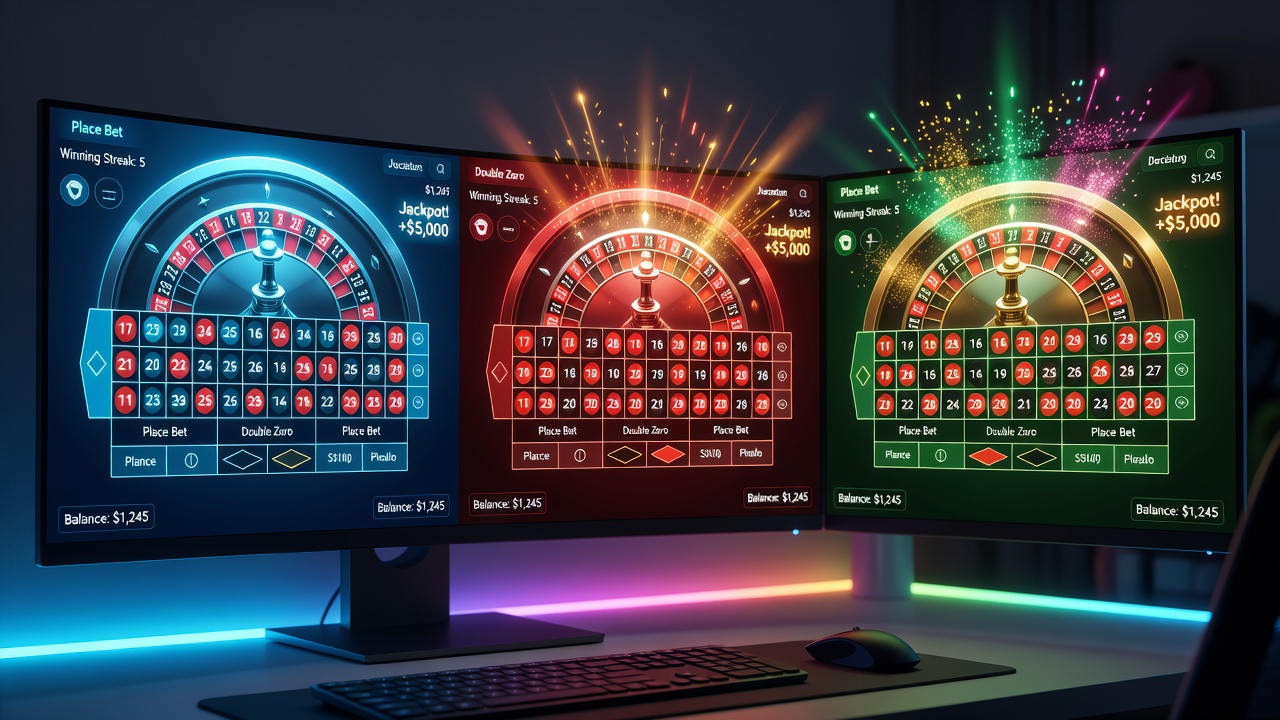
Reports compiled by the Australian Institute of Family Studies document similar trends in mobile gambling interfaces, noting that color temperature adjustments correlate with prolonged tablet use in evening hours. Separate findings from the Responsible Gambling Council of Canada indicate that players on tablets encounter fewer visual fatigue markers when interfaces employ cycling saturation levels during roulette rounds. Cross-platform comparisons show that operators who adopted these lighting techniques earlier recorded measurable upticks in total spins per session on iOS and Android tablets alike, while legacy static palettes maintained baseline metrics without comparable growth.
Conclusion
Interface modifications centered on lighting dynamics and palette variation continue to align with extended tablet sessions in online roulette environments, and ongoing data collection through 2026 will clarify the precise mechanisms sustaining these patterns across diverse user groups.