The Interplay Between Interface Animations and Retention Metrics in Smartphone-Based Recreations of Traditional Table Experiences Featuring Layered Prize Escalation Systems
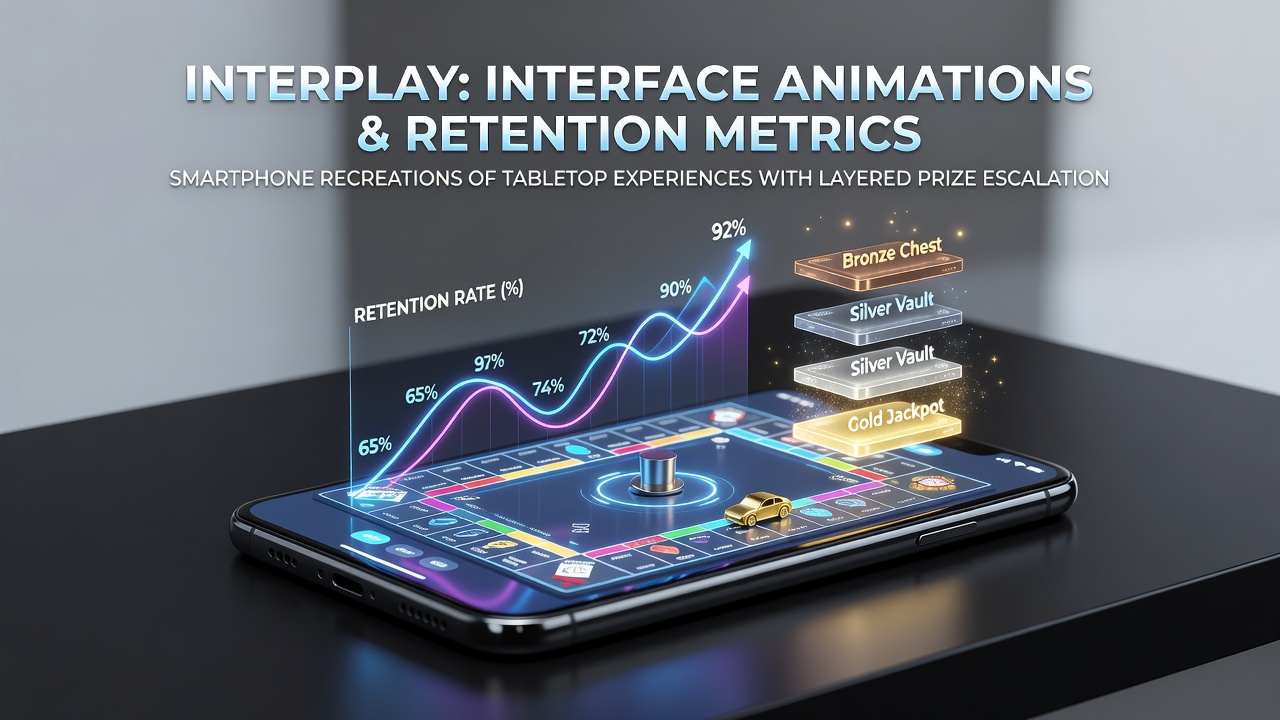
Smartphone applications that recreate traditional table games such as blackjack and roulette incorporate interface animations to represent prize escalation layers, and these elements connect directly to retention measurements tracked by operators. Data collected across multiple platforms shows that animation sequences handling progressive prize builds influence how users progress through sessions and return on subsequent days. Observers note patterns where fluid transitions between prize tiers correlate with extended play intervals and higher repeat engagement rates.
Core Elements of Animated Prize Systems
Layered prize escalation systems stack rewards across base wins, intermediate multipliers, and top-tier accumulations, while animations visualize each step through particle effects, expanding panels, and color shifts. Developers implement these sequences to maintain visual continuity during mobile sessions, and studies from the University of Nevada Reno indicate that timing intervals between animation frames affect user focus on accumulating pools. In July 2026, reports compiled by the Nevada Gaming Control Board highlighted mobile table recreations as a growing segment where animation-driven interfaces accounted for measurable portions of session extensions.
Traditional table mechanics translate into swipe and tap inputs on smartphones, yet the addition of escalation animations creates feedback loops that signal progress toward higher prize brackets. Research indicates these visual cues operate alongside sound triggers and haptic responses, forming integrated pathways that guide decision points without disrupting flow. Those who analyze user logs find that delays in animation rendering sometimes reduce completion rates for prize builds, whereas optimized sequences sustain momentum through successive rounds.
Retention Metrics and Measurement Approaches
Operators track retention through metrics including day-one return rates, average session duration, and progression through prize tiers, with animation performance serving as a variable in these calculations. Figures from industry databases reveal that applications featuring synchronized animations across prize layers often post higher retention percentages compared to static counterparts. Mobile data collected in mid-2026 demonstrated consistent links between animation smoothness and the frequency of users advancing into escalated prize phases.
Segmentation by device type further refines these measurements, since smartphone screen sizes and processing capabilities alter how animations render during live table simulations. Analysts at the American Gaming Association have documented that cross-platform testing helps isolate animation impacts from other factors such as network latency or bonus structures. Retention models incorporate these variables to predict long-term user behavior in environments where prize pools grow incrementally with each completed layer.
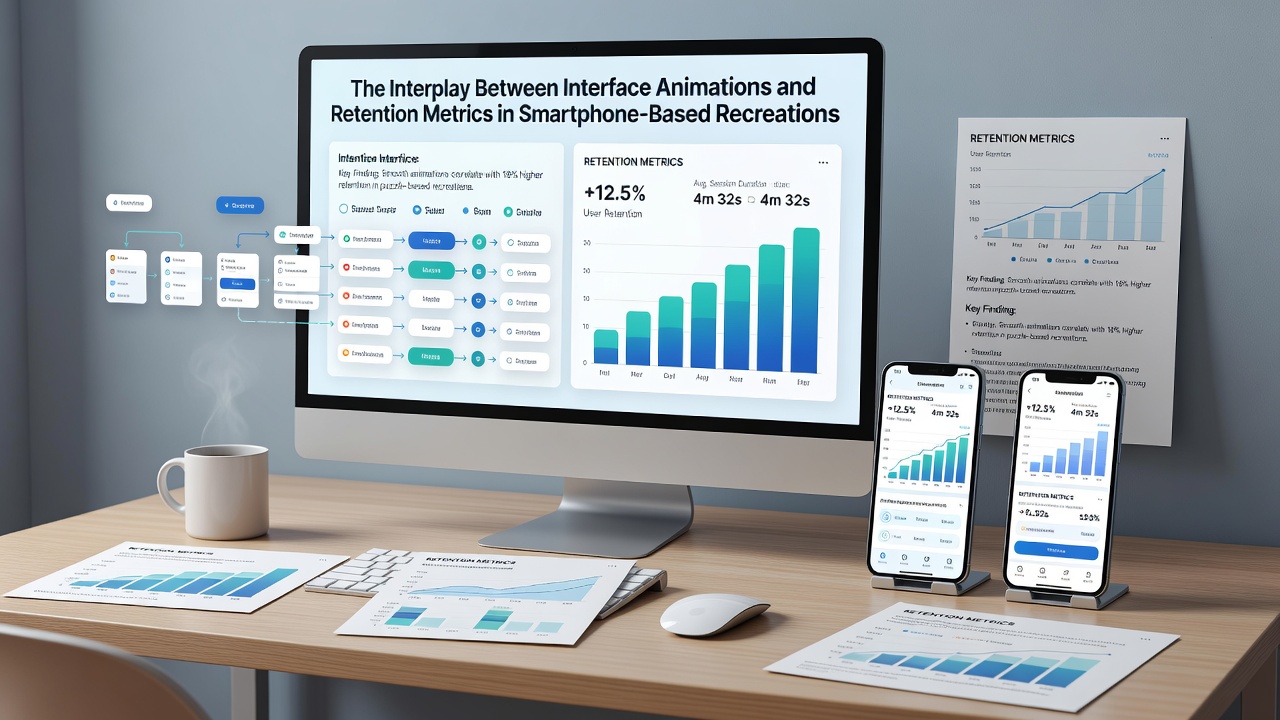
Observed Connections in Practice
Case examples from various operators illustrate how specific animation choices align with retention outcomes in smartphone recreations. One documented pattern involves prize escalation animations that scale in complexity as layers unlock, and logs show these sequences correspond to prolonged engagement when frame rates remain stable. Data sets gathered during 2026 summer periods indicate that users encountering seamless visual builds tend to initiate additional sessions within shorter time windows.
Platform updates released around July 2026 incorporated refined animation libraries for table game interfaces, and subsequent metric reviews revealed shifts in how players navigated layered prize systems. These adjustments addressed rendering inconsistencies across device models, which earlier versions had linked to drop-offs at critical escalation points. External analyses confirm that such technical refinements contribute to sustained retention without altering underlying prize mathematics.
Technical Factors Influencing Outcomes
Animation implementation relies on device GPU capabilities and optimized rendering pipelines, while developers balance visual richness against battery consumption and load times. Research from Canadian regulatory bodies such as the Alcohol and Gaming Commission of Ontario points to correlations between animation quality benchmarks and user continuation rates in mobile table environments. Prize escalation layers add computational demands because each tier requires coordinated visual updates, and performance shortfalls in these areas sometimes interrupt the intended engagement cycle.
Testing protocols evaluate animation sequences under varied network conditions to ensure consistent delivery of prize progression feedback. Operators integrate these evaluations into broader retention strategies, recognizing that interface responsiveness supports continued interaction with escalating reward structures. Available reports show measurable differences in session metrics when animation assets receive priority optimization during development cycles.
Conclusion
Interface animations and retention metrics intersect through the mechanics of smartphone-based table recreations that feature layered prize systems, with available data establishing direct relationships between visual sequencing and user continuation patterns. Technical refinements implemented in 2026 underscore ongoing adjustments in how these elements align across devices and platforms. Continued measurement across regulatory jurisdictions provides the factual basis for understanding these connections without reliance on isolated variables.